Design
Leadership
Currently leading Kensho's design org of 7 designers, and led the effort to build our design system from the ground up: from no system, to a full component library, to an internal Storybook-style platform that automates component-to-code generation. That work powers agentic research products used by 40,000+ analysts across S&P Global, and lets us create experimental prototypes powered by S&P Global's LLM-ready data.
When I joined, designers were essentially contractors. We were reactive, project-to-project, with no product ownership. I assigned designers to specific product lines and made them accountable. I pushed for proactive user research instead of waiting for briefs. Through a series of conversations with the C-suite, I built a case to prove that design could shape strategy, not just execute it. I wanted to do that by changing our reporting structure. Design went from reporting to the Head of Product to reporting directly to the Chief Product & Technology Officer, making us an equal partner at the leadership table. I now have a seat in annual strategy meetings where OKRs are set.
Spark Assist
Spark Assist was an internal generative AI tool that had launched to 1,400 users but wasn't growing. The architecture was fundamentally broken. Users couldn't tell which actions applied to which chat instance, and the confusion was driving them to other products. I came in after the product and engineering team had created an MVP, and made the case to rebuild. I led a heuristic analysis, compiled user feedback, and showed how the broken architecture would block future features entirely. Engineering's concern was that a major change would confuse existing users. I argued it was the right moment, since we were about to expand from 1,500 to the entire org of 40,000 users. We were able to win the argument because we knew that a better architecture would be scalable. I handed the redesign to one of my designers, who rebuilt the information architecture, added a GPT builder, a GPT store, and a natural language-to-script creator.
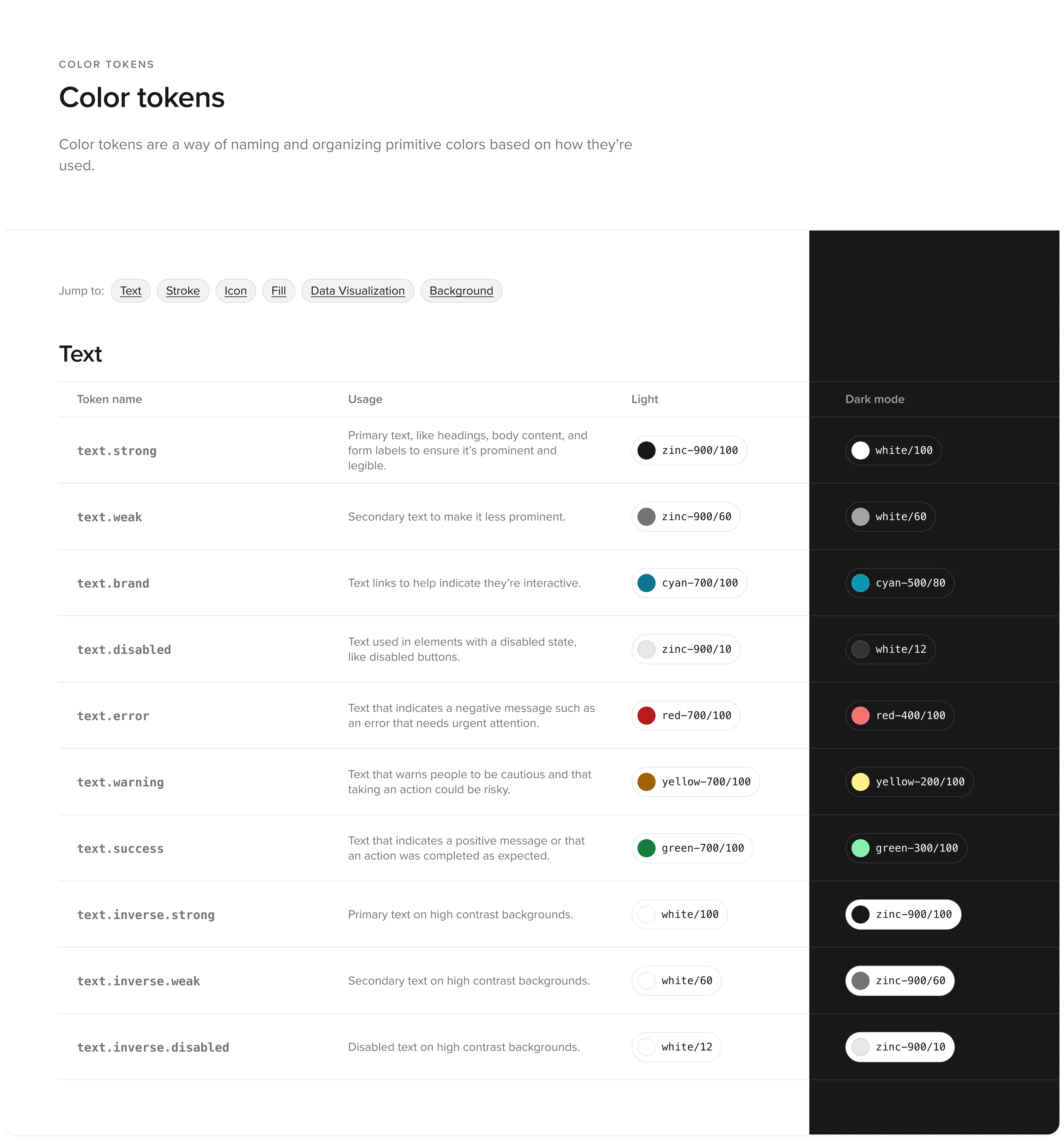
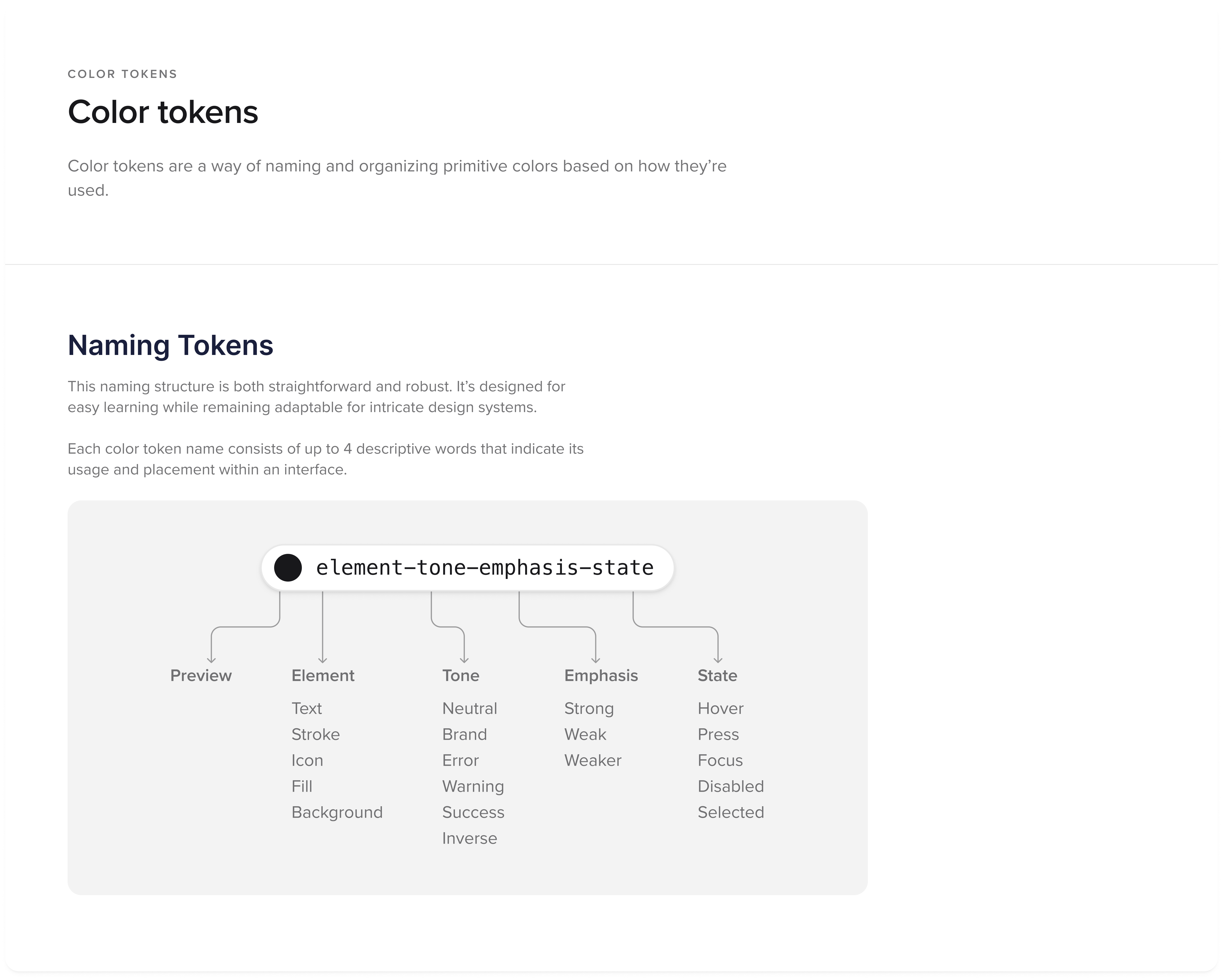
I inherited a loose collection of Figma files. Some icons, some colors, a few components. My team built a full design system: components with documented rationale, usage guidelines, and guardrails. Together with the front-end team, we chose a component library and connected the design system to it. Now we use AI to generate front-end prototypes directly from it.
The team changed too. I used to hire for specific craft skills. Now I hire for strategic thinking, adaptability, and autonomy. I like to find designers who can experiment and collaborate across intertwining products. I introduced design crits, a design cadence, and rituals that didn't exist when I arrived.
Other Work
It has been my great privilege to serve as Emiri's director at Mayo Clinic. Emiri was thrust into a complex role during a time of great transition — teams were changing, leadership was changing, while our UX hiring was ramping up significantly. She jumped in with both feet, adding value to multiple projects and asking the key questions that nudged them from good into having the potential for extraordinary. Emiri is a calm and capable UX leader with a mind toward design operations and strategic direction. She will do more than add value to your organization; she will elevate it.
As a PM I've interacted with a number of UX designers during my career, and it's very rare to find one with the blend of skills that Emiri has. Not only is she visually gifted, but she's incredibly logical, organized, and has a good understanding of the technical requirements and constraints she's dealing with. When I handed something off to Emiri, I knew the solution she came back with would be delightful to the user, something the devs would be excited to build, and the workflow would be scaleable and clean. Highly recommended for any organization looking for design leaders — Emiri will go above and beyond.